
Earlier this month, more than 100 subject specialists, curriculum leaders, researchers and phase experts came together for a roundtable on Curriculum in the Digital Age of Information. The event, convened by the National Institute of Teaching’s Centre for Digital, Information and Learning Sciences (CDILS), created space for knowledge exchange, open discussion and exploration of the implications of our changing information environment across subjects and phases.
The Council for Subject Associations was pleased to collaborate on the event, helping to shape the agenda and contribute to discussions. Bringing together expertise from across subject communities is central to our mission. The questions raised by the digital information landscape are not confined to a single subject; they touch every classroom, every discipline and every phase of education.
As outlined in our Manifesto, we believe that a broad and balanced curriculum, underpinned by strong subject expertise, is essential for preparing young people to thrive in contemporary society. This event provided an important opportunity to consider what that ambition means in practice.
Understanding the Changing Information Environment
Eliot Higgins, founder of Bellingcat, opened the day by exploring how rapidly changing information systems are reshaping the way people create, share and engage with knowledge. He challenged us to think beyond misinformation as simply a problem of false content, and instead to consider why particular ideas gain traction and trust. For CfSA, this reinforces the importance of subject expertise across the curriculum. If young people are to navigate an increasingly complex information landscape, they need opportunities within every subject to understand how knowledge is created, tested, challenged and validated.
More Than ‘Just the Facts’
A recurring theme throughout the day was that responding to misinformation requires more than simply presenting correct information.
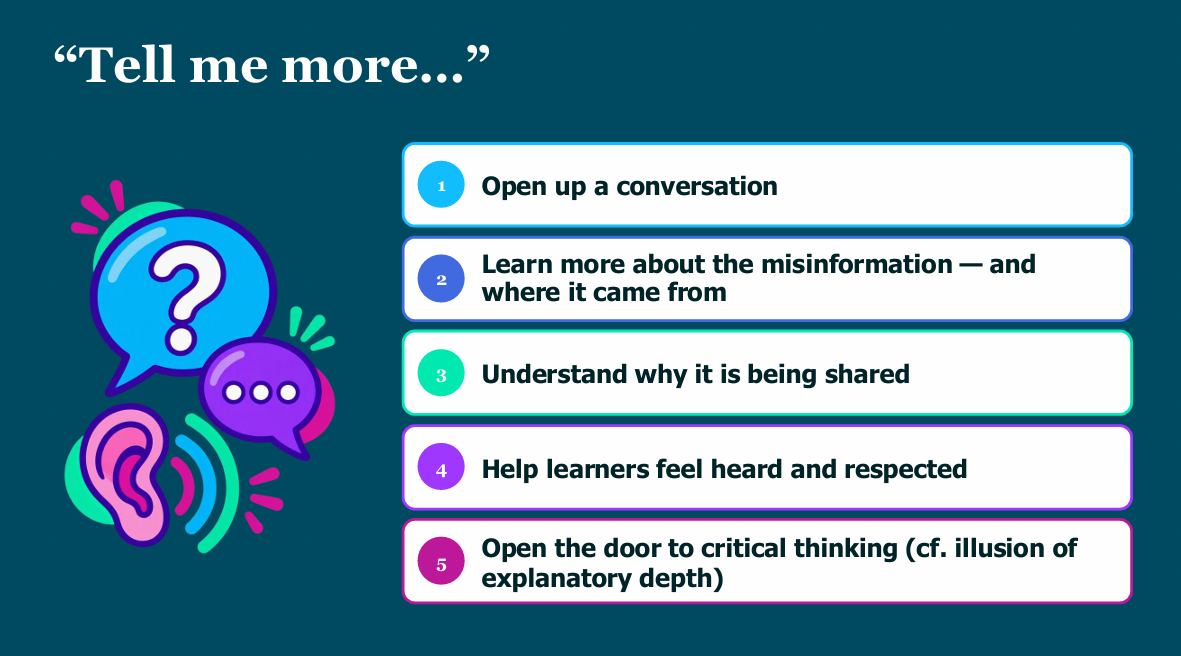
Dr Rob Nash explored how our engagement with information is shaped not only by facts, but also by identity and emotion. His session highlighted the importance of understanding why people are drawn to particular ideas and how educators can create space for thoughtful discussion. His emphasis on dialogue and intellectual humility highlighted the importance of subject specialists in creating classroom environments where complex issues can be explored thoughtfully and critically.
Subject Expertise Matters
Research shared by Jan Forshaw from Coram SCARF highlighted that young people’s trust in information is often influenced by who shares it and whether it aligns with their existing beliefs. The discussion reinforced the importance of teaching critical thinking through subject disciplines rather than as a standalone skill. Each subject offers distinctive ways of evaluating evidence, questioning claims and developing informed judgement, helping pupils make sense of an increasingly complex information landscape.
Making Media Literacy Explicit
The final session, led by citizenship and media literacy specialists Bryden Joy and Helen Blachford both members of the Association for Citizenship Teaching – a CFSA member, explored how media and information literacy can be embedded across the curriculum.
A key challenge emerged from the discussion: while many teachers already encourage students to question evidence, analyse sources and evaluate claims, are we making this thinking explicit enough for learners within subjects?
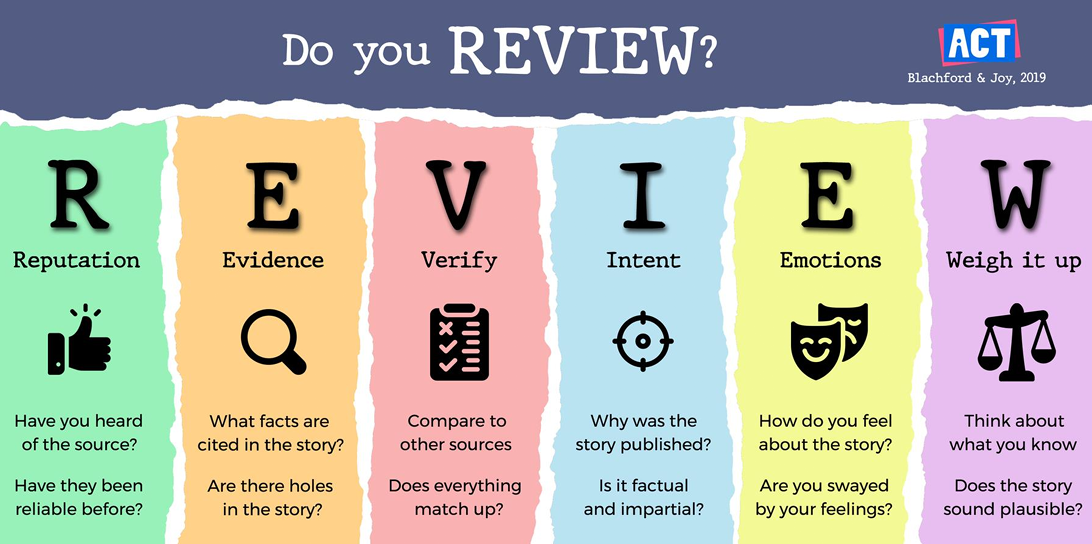
Cross-subject conversations such as those enabled by this roundtable help us identify common approaches while respecting the unique contribution of different disciplines. They allow us to learn from each other, share effective practice and ensure that media literacy is not treated as an additional responsibility but as an integral part of high-quality subject teaching.
Why CfSA Was Proud to Be Involved
The digital information landscape presents complex challenges, but one message from the day was clear: no single subject holds all the answers.
The most effective response will come through collaboration between subject communities, combining expertise while preserving the disciplinary richness that gives each subject its distinctive value. This principle sits at the heart of the CfSA Manifesto and informs our work as a network of subject associations.
As we look ahead to future curriculum developments, including consultation on the National Curriculum, these discussions feel particularly timely. The knowledge and skills that young people need to navigate an evolving information environment are a shared concern across disciplines.
This roundtable demonstrated the value of bringing educators together across subjects and phases to explore common challenges and opportunities. The ideas generated will continue to inform discussion and development in the months ahead.
We are grateful to the team at CDILS and all those who contributed to such a rich and thought-provoking event. We look forward to building on these conversations and continuing to explore how education can help young people engage thoughtfully, critically and confidently with the world around them.
Gráinne Cassidy
CfSA Co-Chair
